Reforestation in the plateaus and valleys of the Idiofa region
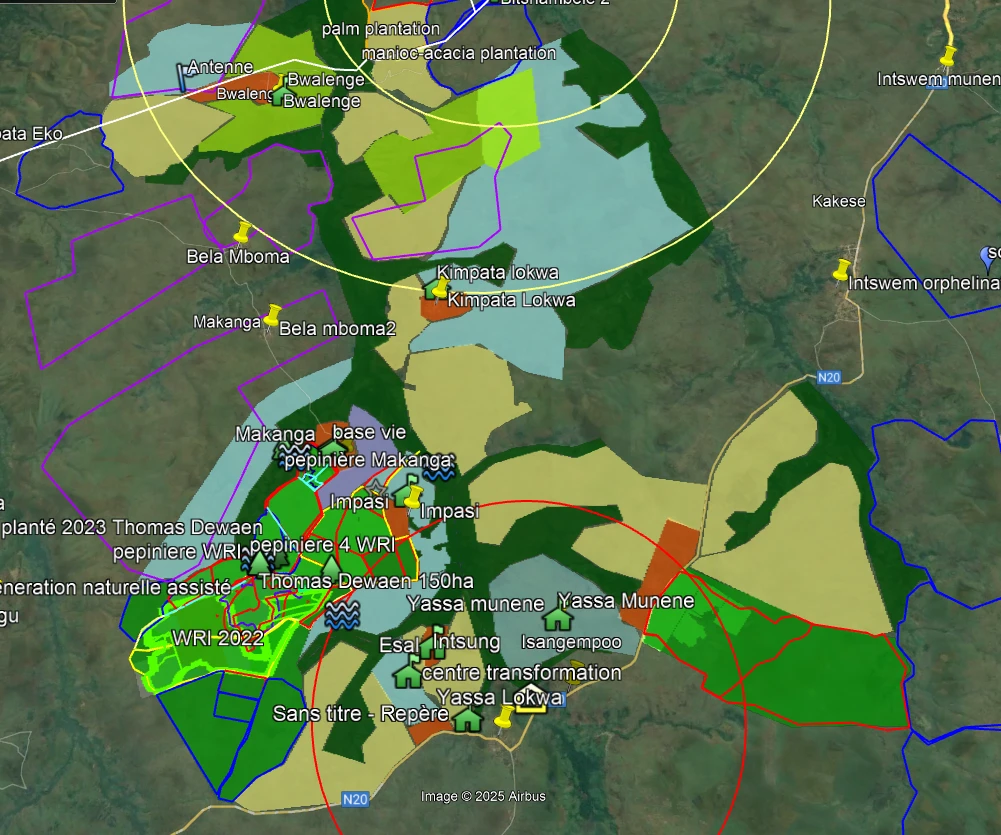
10,240 ha have been planted. The areas are tallied by planting season: this total is as of April 2026, at the end of the last season. Nearly 6,000 additional hectares have already been funded and will be planted by the end of 2027, bringing the total to 16,000 hectares. The long-term goal is 50,000 hectares, for which funding has yet to be secured. Estimated cost: approximately €2,000 per hectare planted and maintained.
— The Project
Since 2012, Faja Lobi has been reforesting the Kwilu Valley with native tree species, relying on local communities for planting and monitoring. Once the forest is established, it generates carbon credits for 50 years—a sustainable source of revenue for the region.
These credits are certified under the Gold Standard, one of the most stringent standards in the sector. The organization verifies that the reported carbon is actually sequestered and that communities derive a real benefit from it, and then issues the certification that allows the credits to be sold.
— Before / After
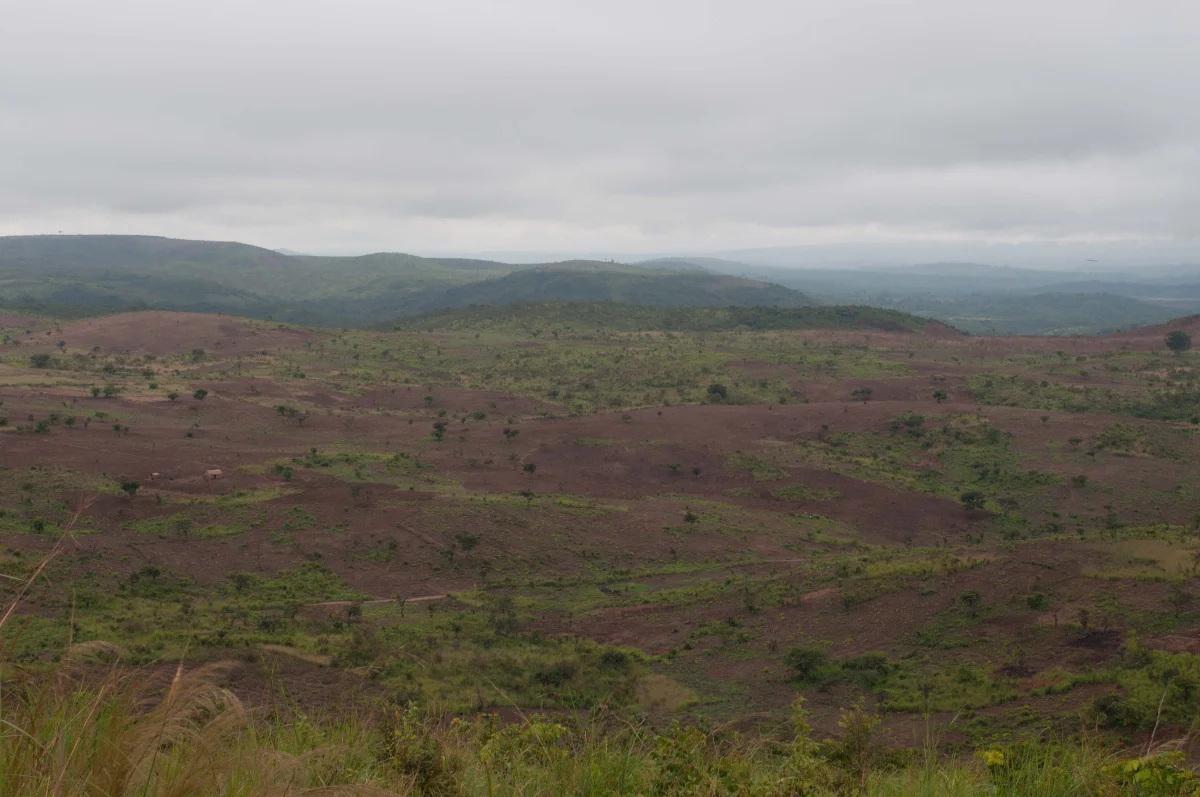
Before: the Idiofa Valley in 2015
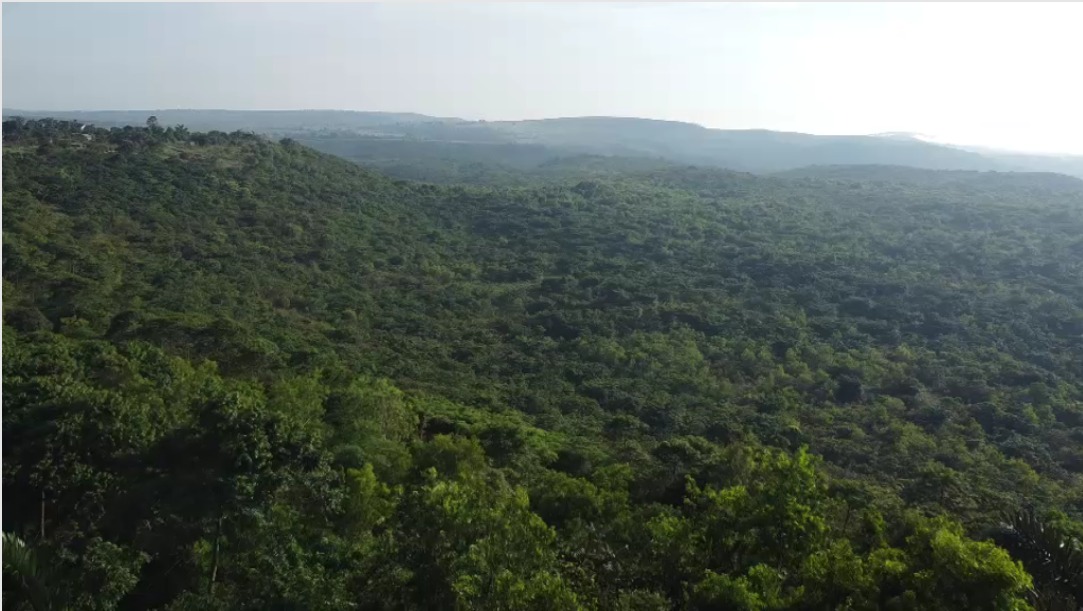
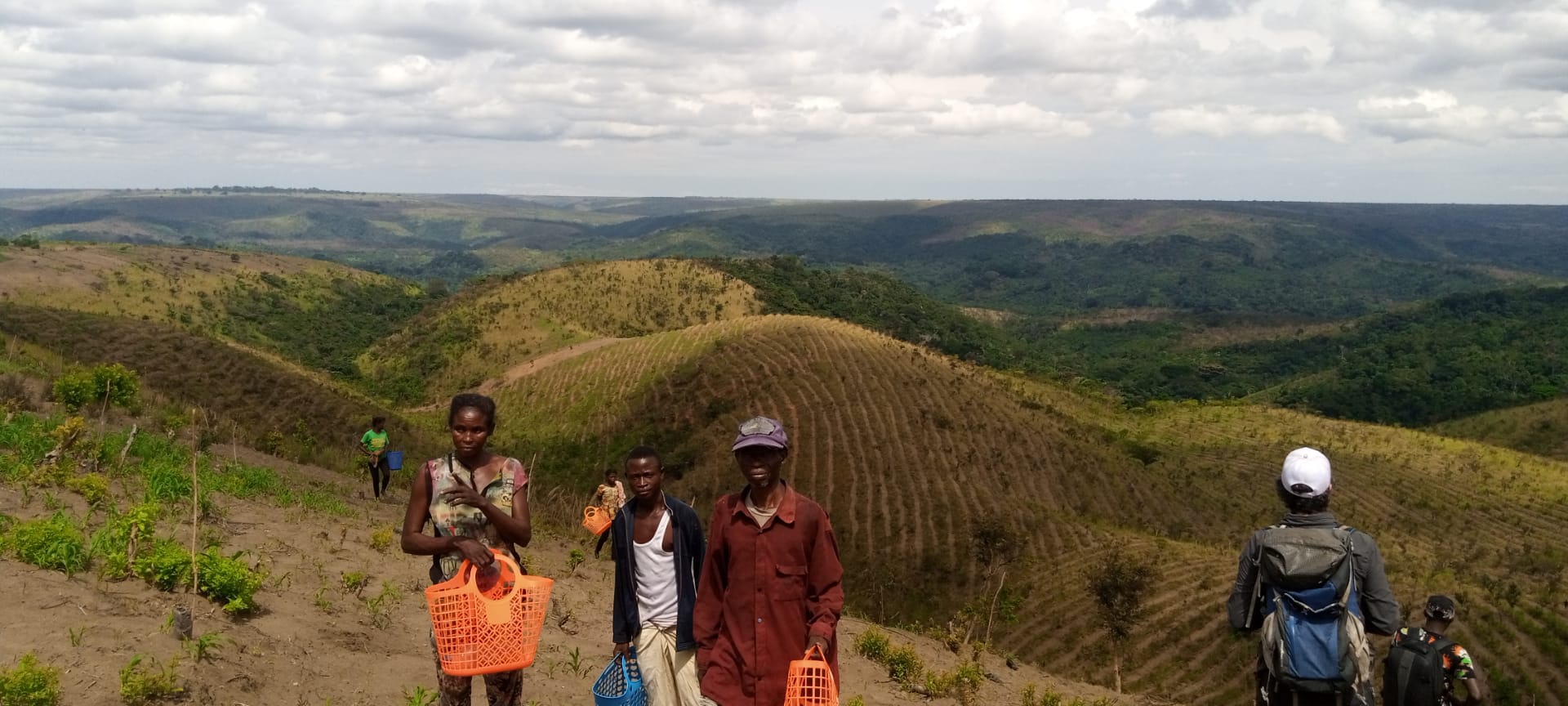
Today: The Same Valley in 2023
— In the field
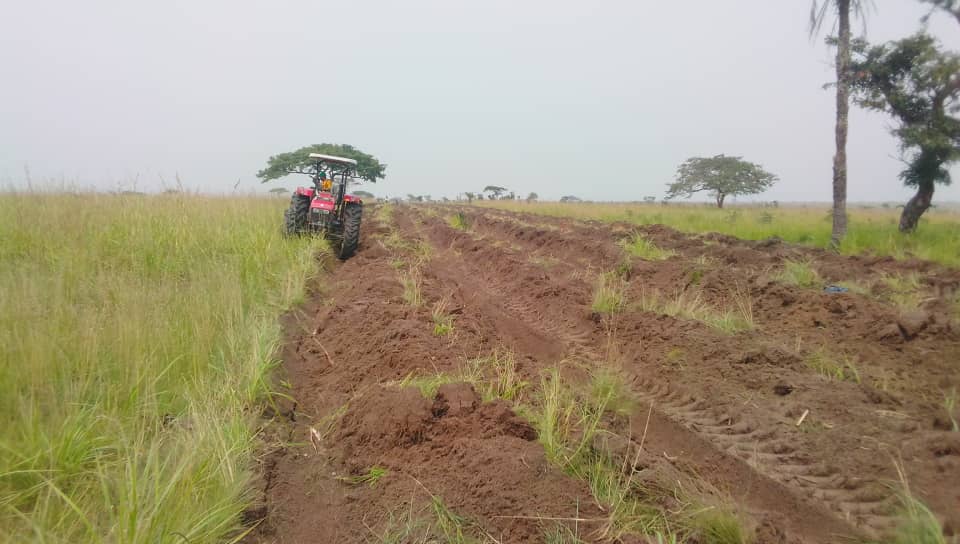
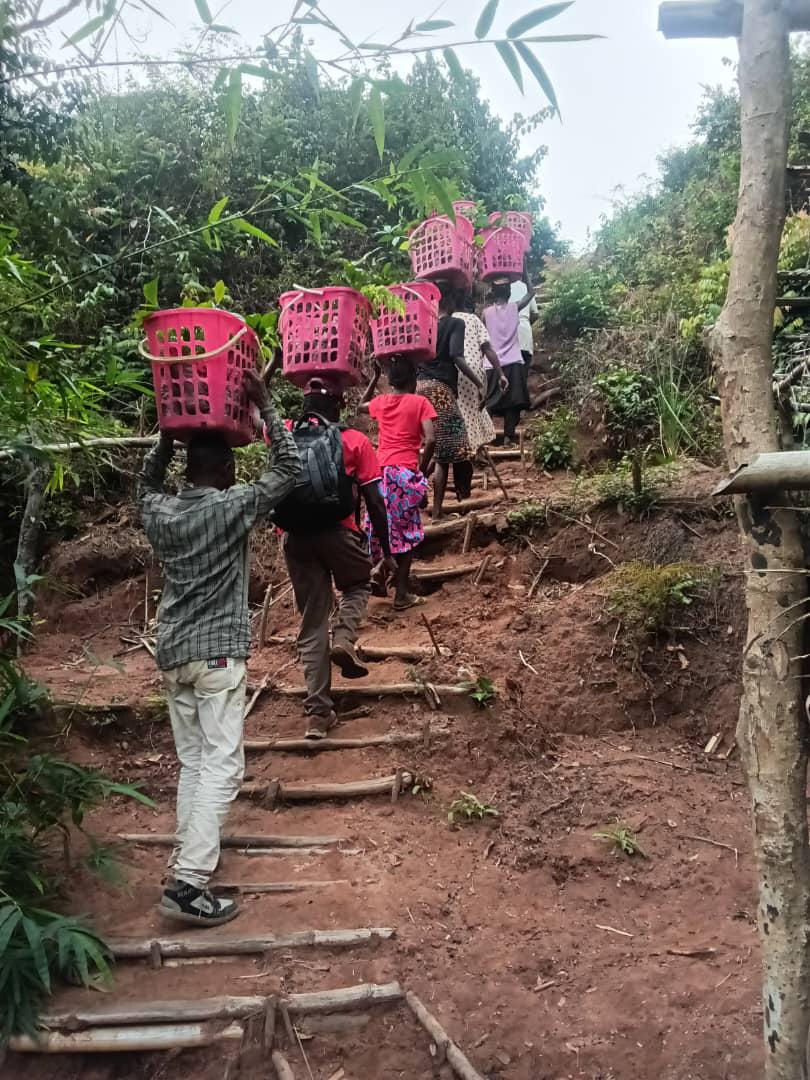
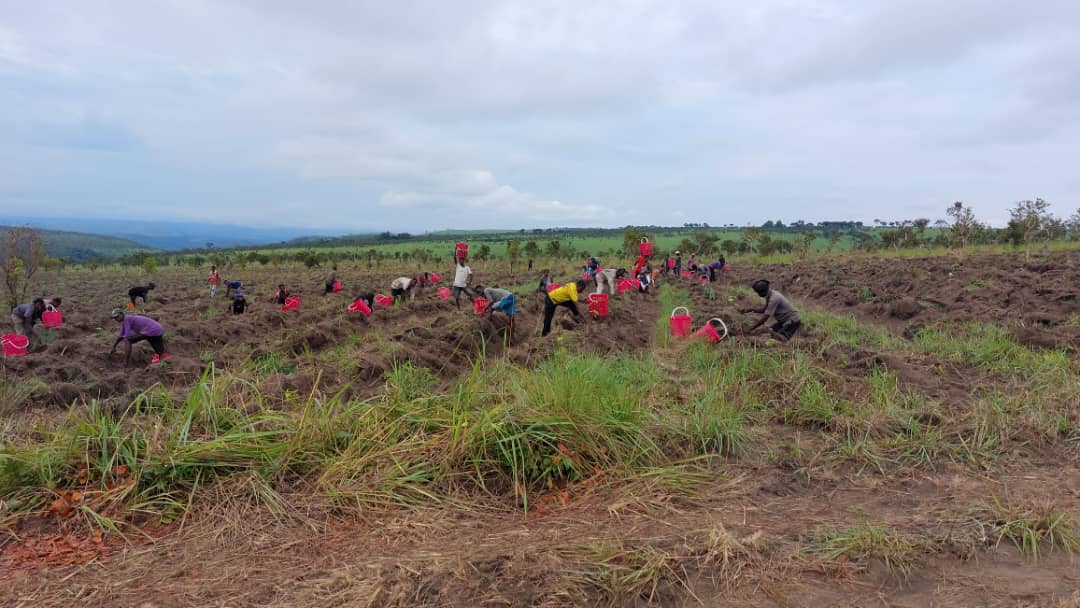
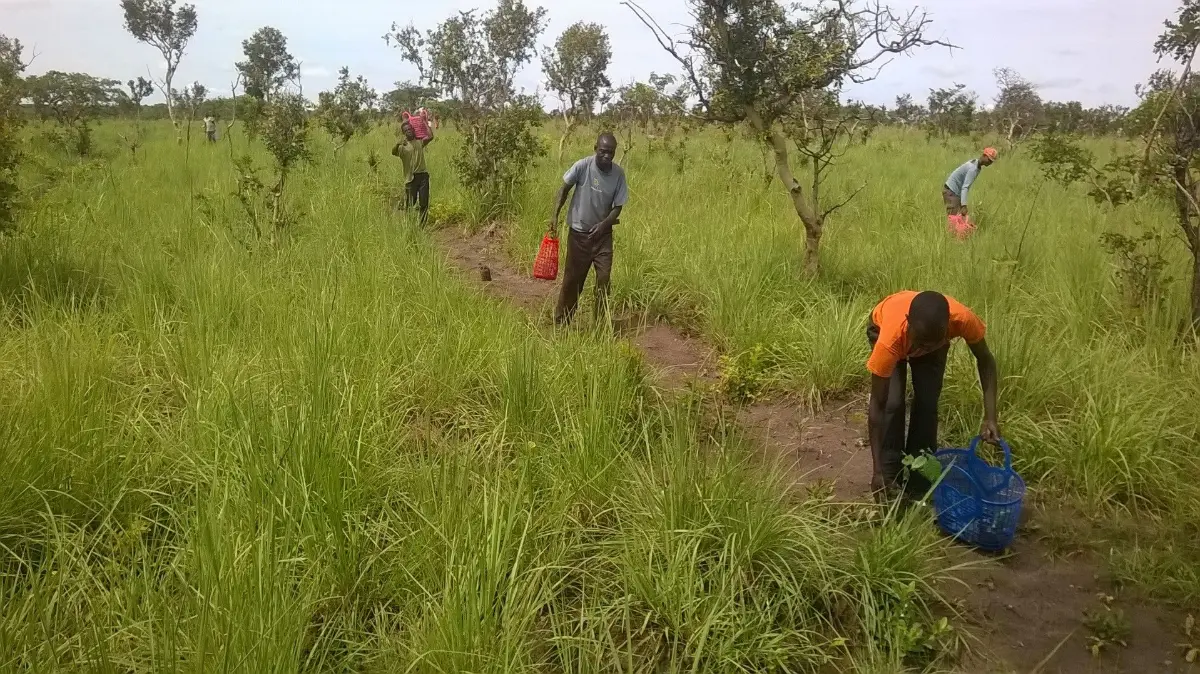
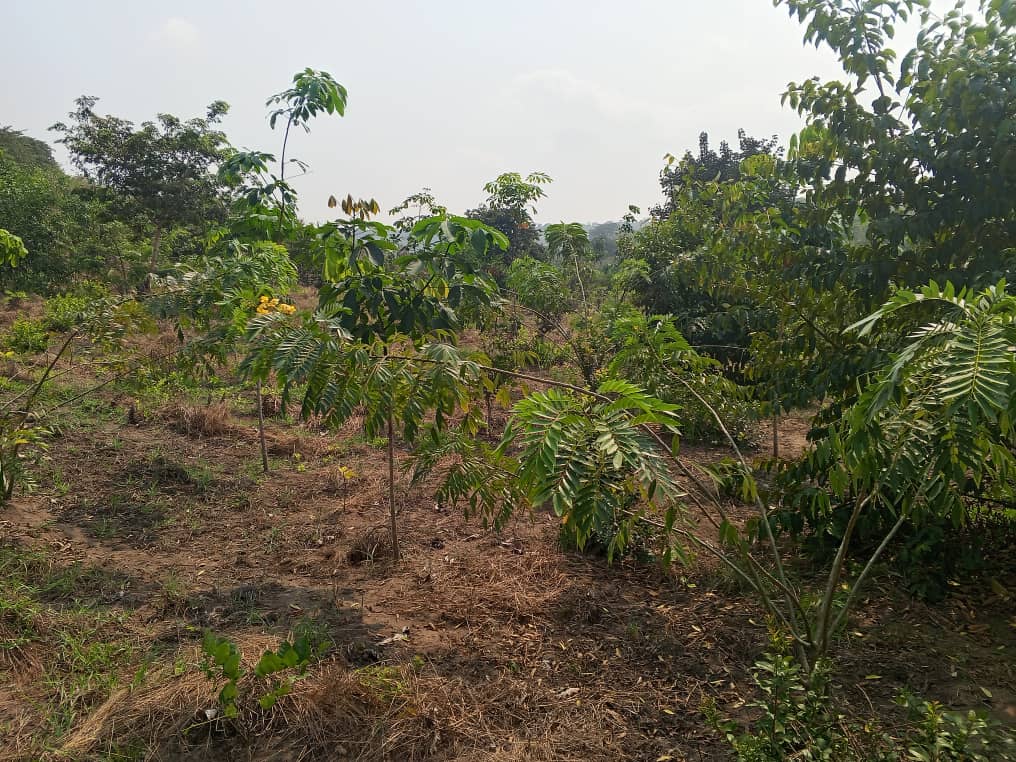
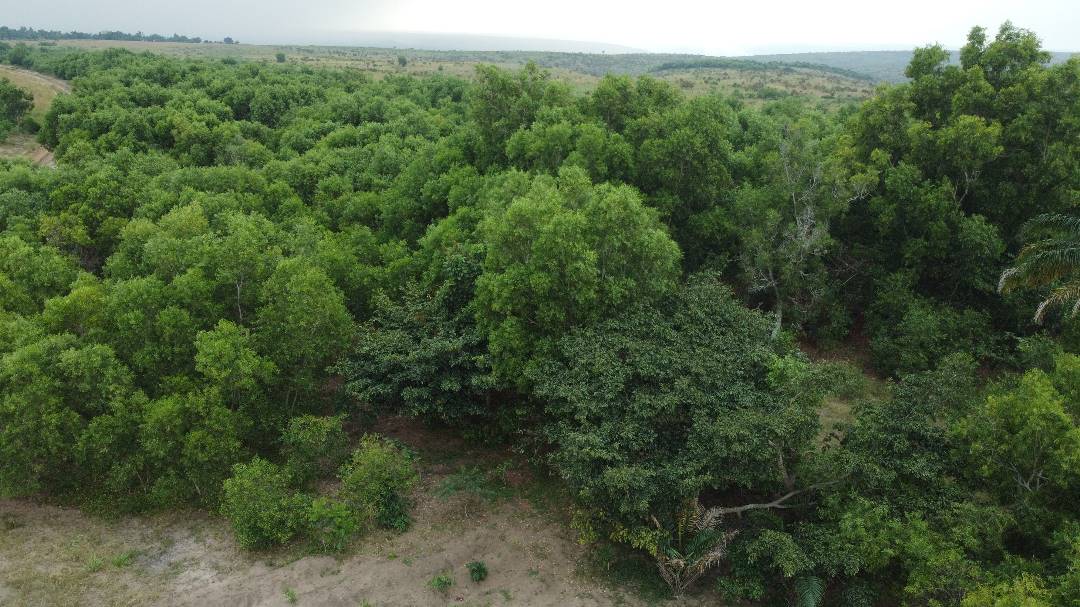
There are no on-site photos for this project yet.
How are carbon revenues distributed?
In total, 80% of the revenue goes back to the communities: 20% for infrastructure projects decided upon by the village, and 60% to the cooperative of the land-donating clans. The sequestered carbon is measured every three years by Faja Lobi and then audited by an external organization in accordance with the Gold Standard. The credits are then managed for 50 years by a specialized partner, which handles their certification and sale.
Technical and Scientific Partners
You can help
Faja Lobi is seeking sponsors to fund the next phase of planting: nearly 6,000 hectares remain to be planted by 2027.
— Things to Discover
.jpg)