
Integrated Agroforestry Innovation: Corridor-Style Cassava Cultivation in Reforestation Areas
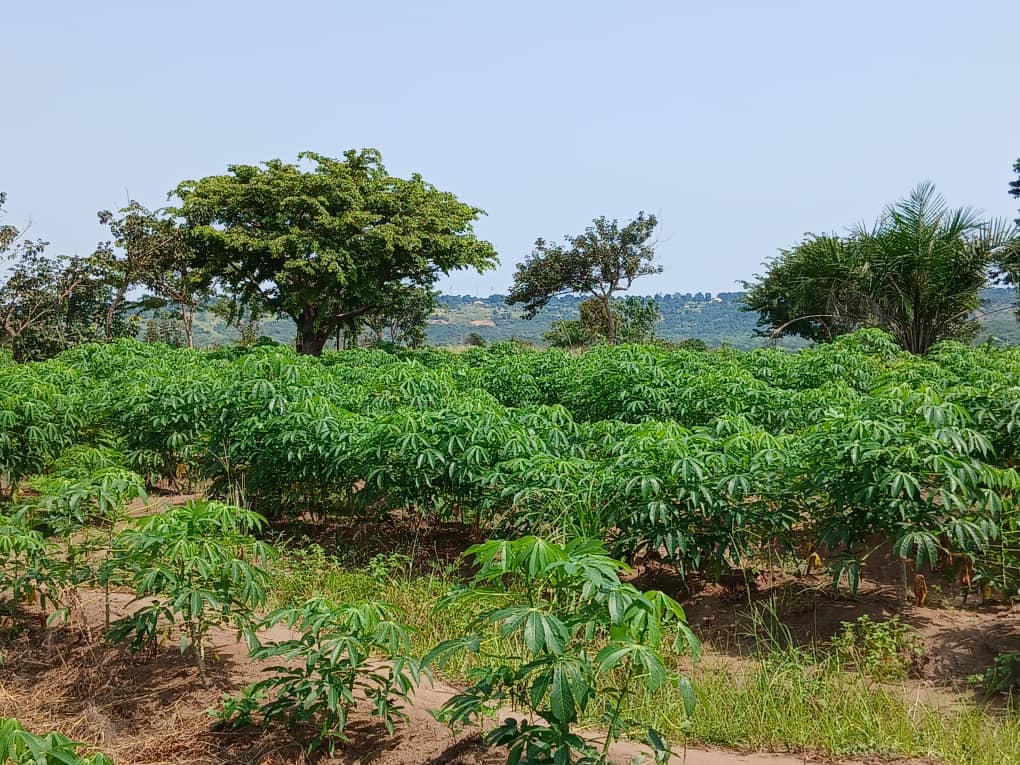
As part of our community reforestation efforts, Faja Lobi has been experimenting for several seasons with an innovative approachto strip agroforestry, which involves combining cassava (Manihot esculenta) cultivation with local leguminous tree species such as Millettia laurentii, Senna, Brachystegia, and Afzelia.
Purpose of the Model
The main objective of this practice is to maximize agricultural productivity while promoting the ecological restoration of degraded land. The system is based on the principle of ecological complementarity between trees and food crops.
Methodology
Cassava is planted in 3- to 5-meter-wide swaths between rows of trees spaced 6 to 8 meters apart.
- The trees provide partial shade, which limits evapotranspiration and helps maintain soil moisture.
- Their leaves help form organic mulch, improving soil structure and fertility.
- The root systems of trees improve soil stability and reduce erosion on slopes.
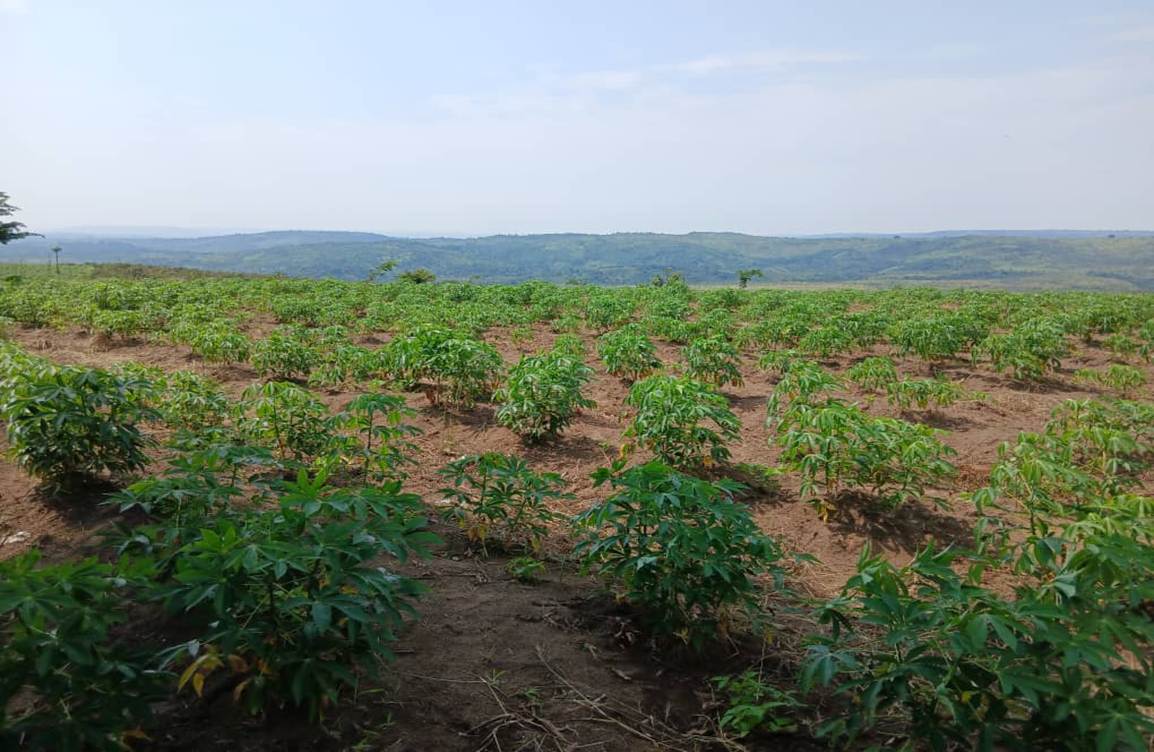
Results Observed
Observations conducted in 2025 show:
- Cassava plants grow better in agroforestry systems than in monocultures.
- An average increase of 18 to 25 percent in cassava yield after 10 to 12 months of cultivation.
- A significant reduction in soil loss and an improvement in soil moisture levels.
- Local biodiversity (pollinating insects, earthworms, beneficial fungi) recovers more quickly.
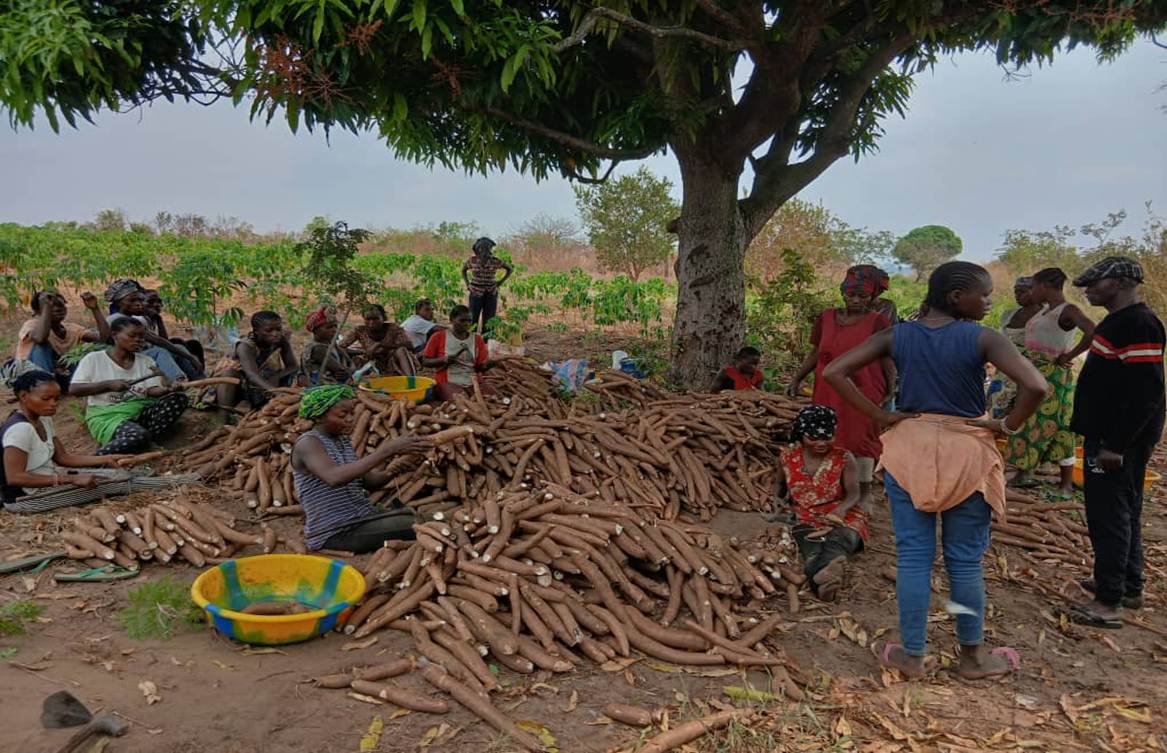
Community Impact
This model directly benefits rural households, which have access to both:
- With stable food production,
- And additional income from the sale of forest products (lumber, leaves, seeds, honey, etc.).
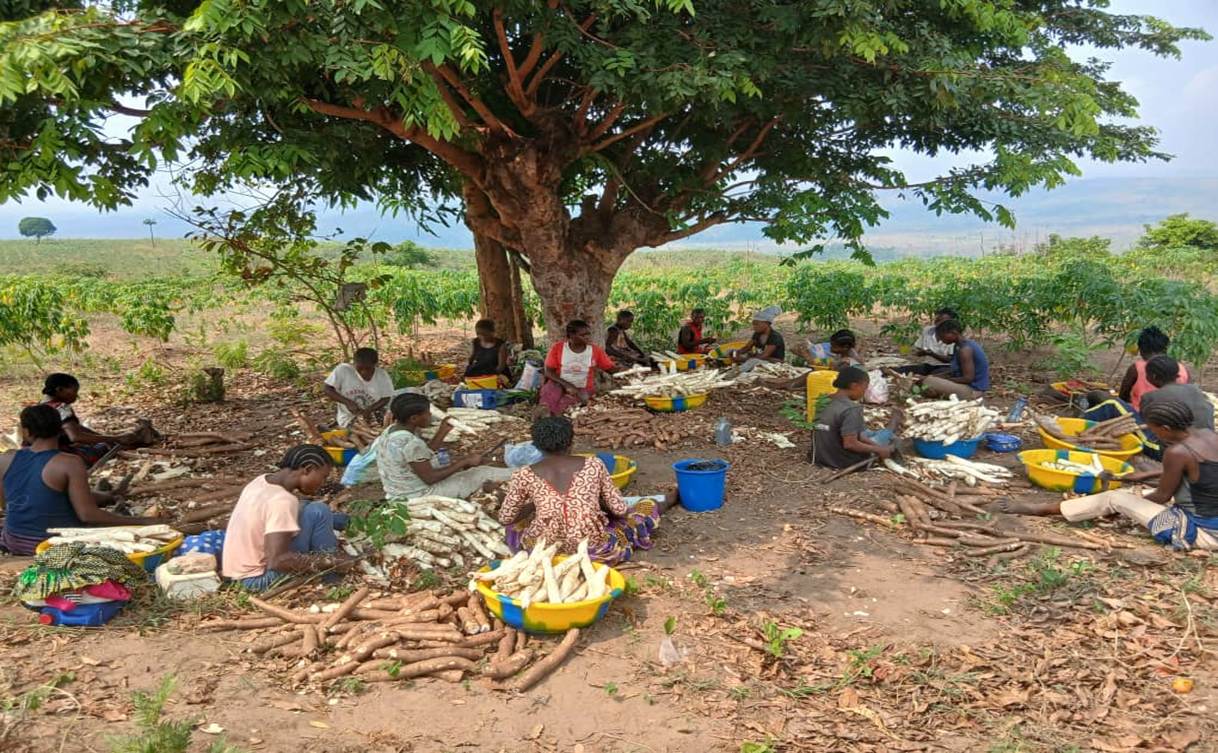
Farmers trained by Faja Lobi are gradually adopting this model, recognizing that it offers a sustainable solution to climate change and soil degradation.
Perspective
Our goal is to expand this practice to other areas ofIdiofa and Kwilu, while continuing to conduct agronomic and environmental monitoring so that it can serve as a model that can be replicated nationwide.
Does this news story make you feel a certain way?
Have a question, a comment, or something you'd like to share? The team reads everything and responds.
Did you like this format?
Faja Lobi relies on private donations. Every contribution helps fund seedlings and salaries in Idiofa.
— Share this resource
— Other News
— Other media
— Other Reports